Have you ever thought about the symbolism of circles? What that round shape might mean at a deep level? Saying it is ubiquitous is stating the obvious. It is prevalent in nature and in man-made creations. It is probably also the first actual geometric shape that you have drawn when growing up. Why? Because circles don’t have sharp edges and their line is just a gentle continuous flow that never ends. You don’t have to ‘think’, just to let go, even if the result is not perfectly circular.
As winter is slowly making place for spring, I thought it’d be interesting to explore the origins, the powerful symbolism and psychology woven into the circle shape. Why do we love circles so much? Circles have a rich history, and are a fascinating and enduring shape that is much less humble than first appear.
Join me on a journey of (re)-discovery the meanings we attach to the circle, how it is connected to spring and the reasons why it is our favourite shape.
Don’t forget to join the #EssemgeXMe Club here to read my follow-up blog where I will be looking at the influence of the circle shape on culture and design, and how it’s inspired the Infinity collection.
The Universal Symbolism of Circles
The circle is a shape that transcends cultures and time. It is often symbolic of unity, infinity, and perfection due to its symmetrical and continuous nature.
In various ancient cultures, the circle held sacred significance. The ancient Chinese philosophy of Yin and Yang for example embodies the duality within the circle. It serves to illustrate the constant dance between opposing forces in the natural world.
Even today, circular patterns known as mandalas hold spiritual significance and are used for meditation and ritualistic purposes.
Spring: A Promise of Renewal
In mythology, spring is often linked with themes of fertility and rebirth, and it is easy to see why. As the weather becomes milder and the days longer, nature awakens in the form of spring. This season is a symbol of renewal, growth, and the promise of fresh beginnings. It is a joyful exuberant moment filled with renewed optimism and energy. From the delicate blossoms, the chirping of birds, and the scent of fresh blooms, the Earth celebrates life’s resilience and cyclical journey.
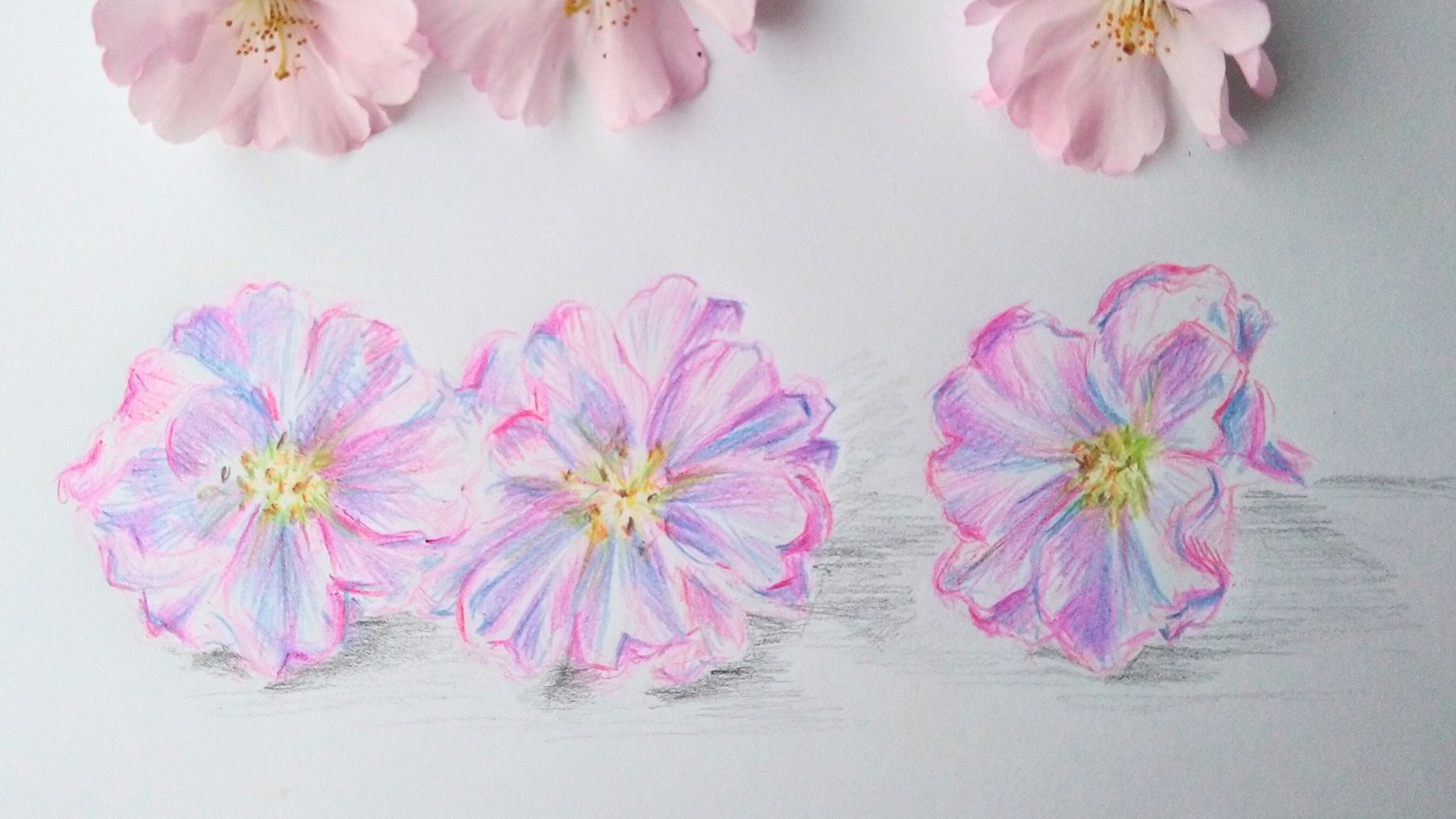
The Circle As An Echo to Spring
The circular shape, with its innate sense of wholeness and continuity, mirrors the cyclical nature of the seasons. As spring breathes life into the world, the symbolism of the circle illustrates that perpetual renewal. During Easter for example, eggs, which are circular and associated with fertility, become a symbol of resurrection and rebirth, thus reinforcing the theme of the eternal cycle of life.
Beyond the Symbolism of Circles Why Do We Love Them So Much?
A preference for circular shapes is deeply ingrained in all of us from birth. There are 3 main possible explanations:
The fact that we associated angular lines and sharp angles with danger while curved line evoke safety. Multiple scientific studies conducted since early 1900s have consistently shown such findings. As the ultimate curvilinear shape, the circle embodies all of the attributes that attract us: it is a safe, gentle, pleasant, graceful, dreamy, and even beautiful shape that evokes calmness, peacefulness, and relaxation.
Then the fact that we are attracted to the roundedness of an infant’s face. Facial features—large eyes, a rounded face, and a high forehead—are perceived as more naïve, honest, and innocent. Human faces and the emotions they express rely on simple geometric shapes: the circular happy face versus the triangular angry one. This idea touches on deep survival instincts and social behaviour: our need to read our fellow humans’ facial expressions and our need to detect threats as quickly as possible.
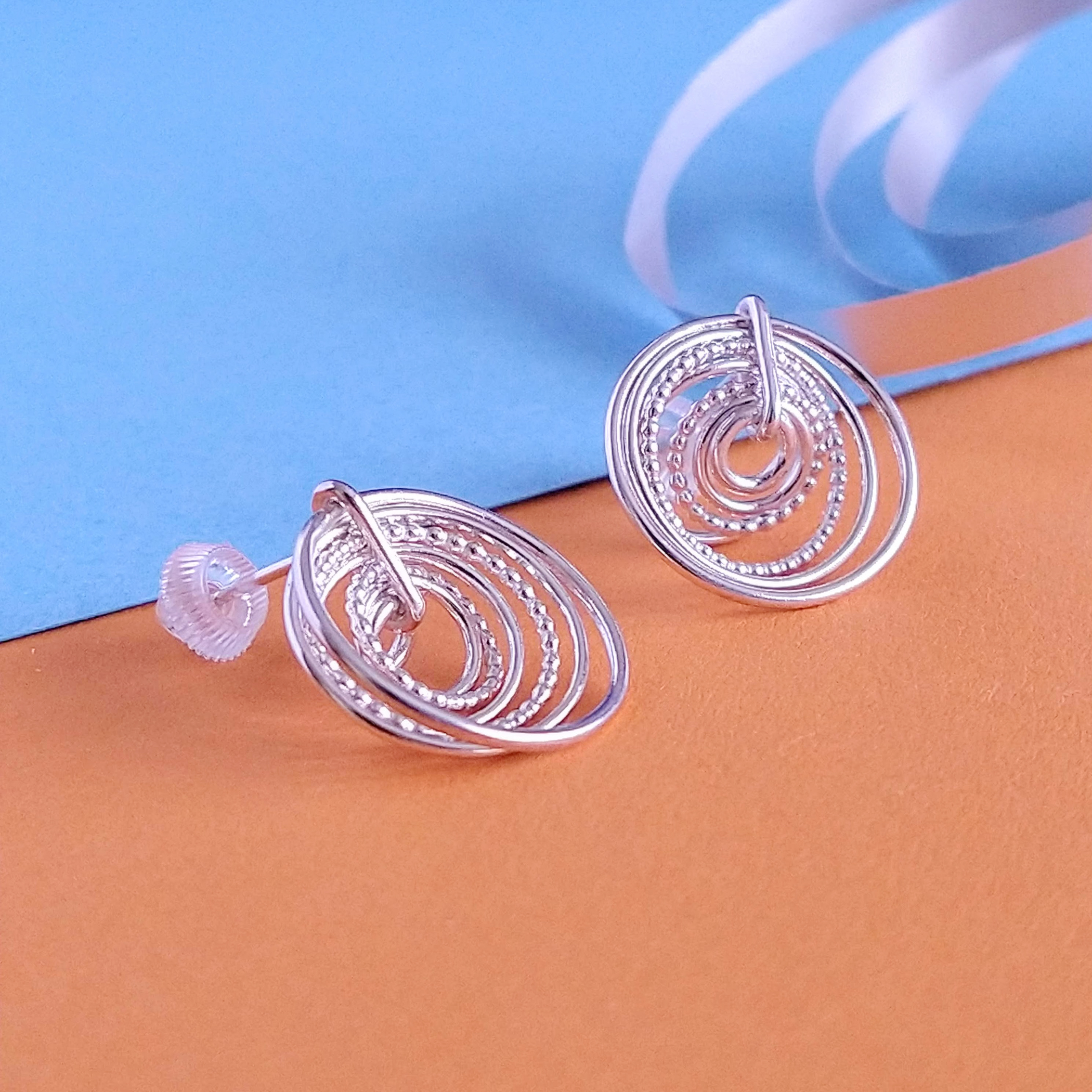
Lastly the third explanation may be the way we actually see the world. Our eyes are themselves spherical thus creating a natural circular frame for our visual field. This may contribute to explain why we are inherently attracted to matching geometric shapes and in particular to the almost hypnotic effect of concentric circles.
In Conclusion
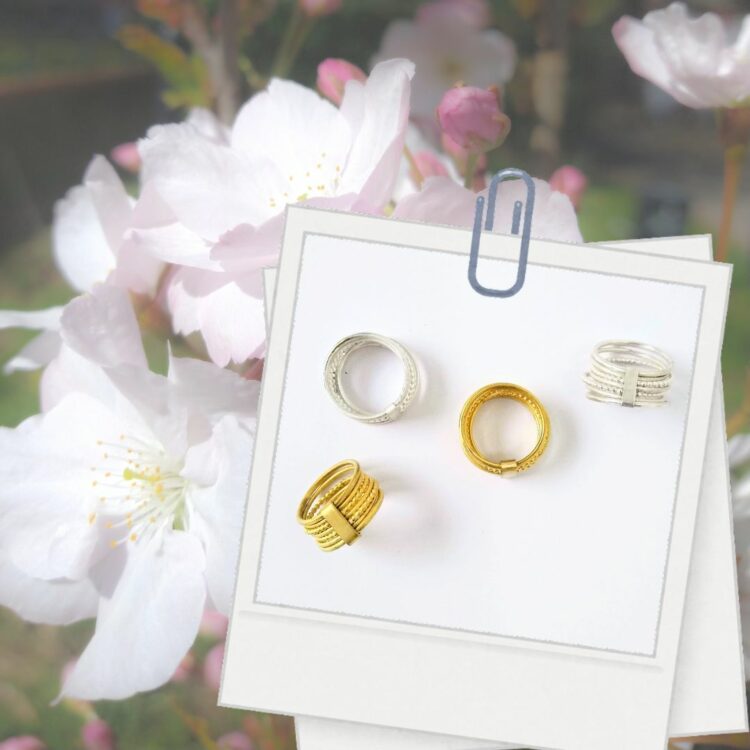
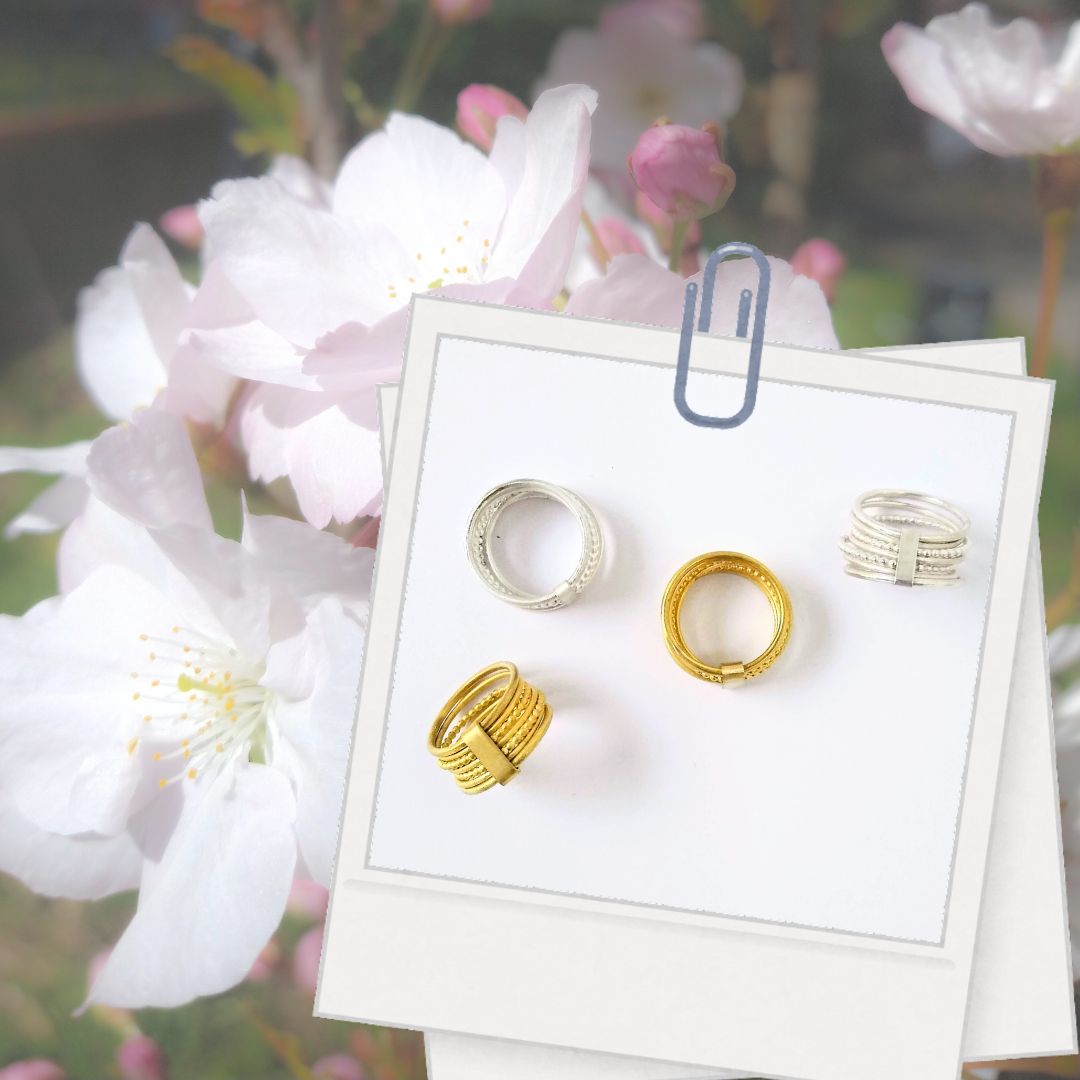
As you immerse yourself in the wonders of spring, let’s take a moment to appreciate the profound symbolism encapsulated within the circle. It serves as a reminder that, much like the seasons, life is a continuous journey of renewal and interconnectedness. This Spring let the circle’s timeless symbolism resonate within you, guiding you towards infinite possibilities and new beginnings. And to fully immerse yourself in this renewed positive energy and optimism, pick a delightful adornment from the Infinity jewellery collection. It will give you that glorious uplifting feeling and help you flourish. Enjoy!
Become part of the #EssemgeXMe Club today and get early access to exclusive content and offers I create just for you. Sign up today by clicking on the following link here.